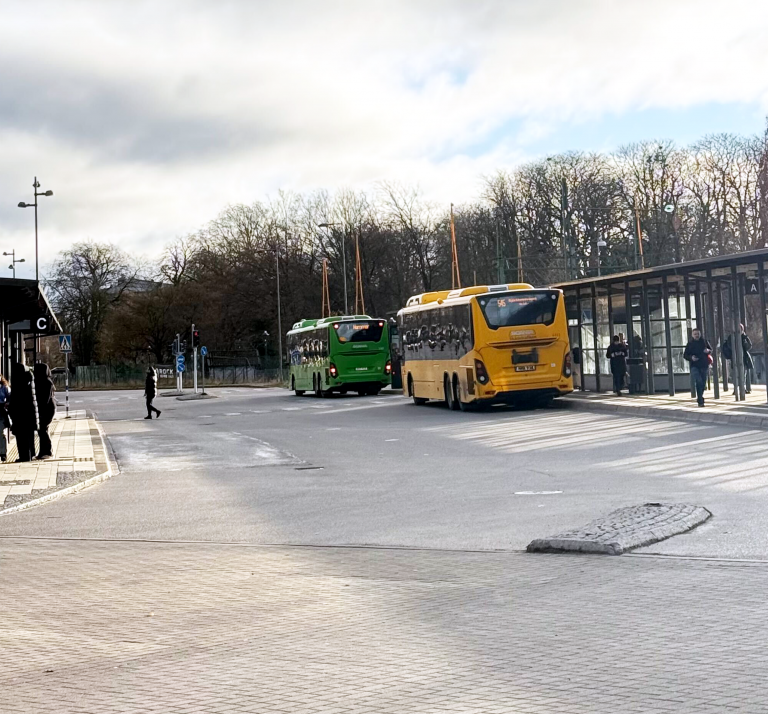
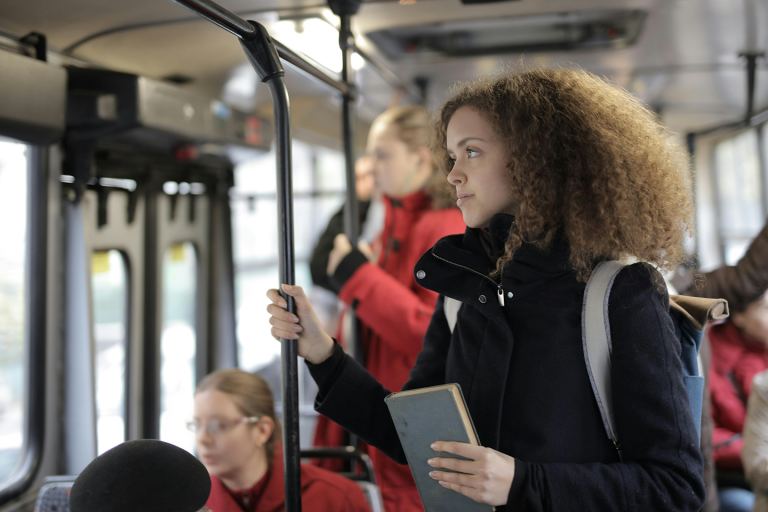
In the United States, buses are the overlooked workhorses of daily transportation. While trains and planes often get the spotlight, buses actually move far more people each year when measured by total boardings.
Let’s make 2026 a breakout year for bus transit! With the right mix of service upgrades, stop-area improvements, and smart pricing and outreach, agencies can turn bus transit from a second-rate way to get around into a first-choice for many people who rarely or never ride today.
Looking for a gift that’s practical, fun, and actually useful almost every day? Skip the random candles and coffee mugs. This year, give something that makes every trip brighter, safer, and smoother: safety gear
It’s National Teen Driver Safety Week, and time to have an honest conversation: 16 is too young to be behind the wheel. The data backs this up — motor vehicle crashes remain a leading cause of death for teens aged 15 to 18 in the U.S., with 2,611 lives lost in 2023 alone in crashes involving teen drivers (NHTSA). Instead of being a footnote, this should be a call to action.
October is National Pedestrian Safety Month, a time to highlight a simple fact: walking should never come with risk. Whether it’s walking to school, to work, to transit, in a parking lot or just around the block, we are all pedestrians at some point.
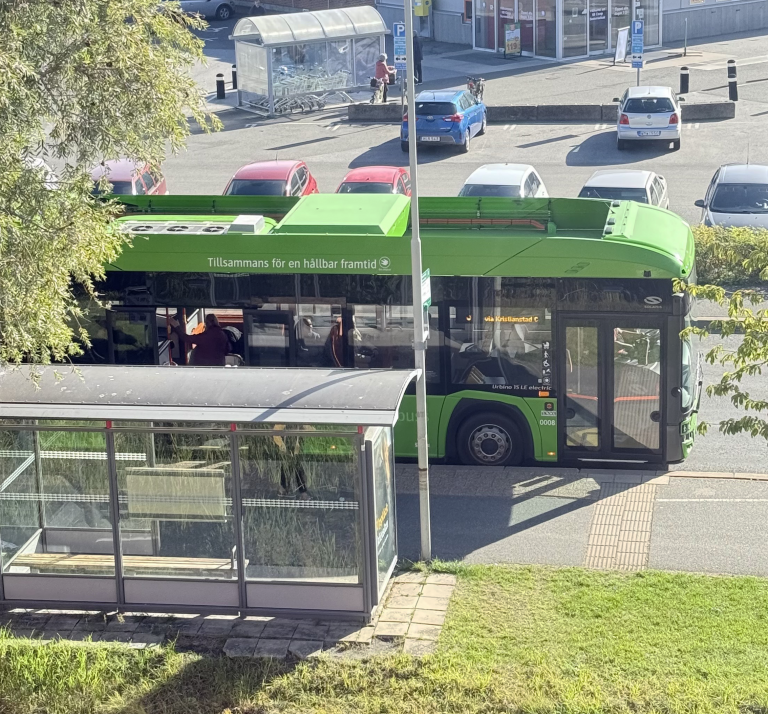
Last year, our piece on urban heat and canopy struck a chord. It resonated not just because people care about trees and greenery, but because they care about comfort, dignity, and good urban design. People need shade while waiting for a bus, shade helping transit stops serve people better.
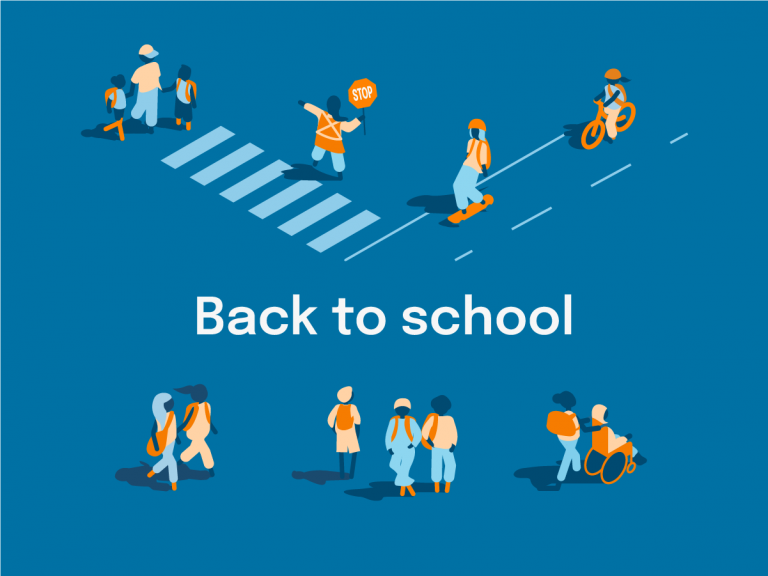
As the school year begins, the daily rhythms of our streets shift and become more active. What felt like a quiet intersection in July may now be packed with bikes, buses, and families on the move. It’s not chaos — it’s a system kicking back into gear. And how well it functions says a lot about how we’ve designed it, and how we prioritize safe and sustainable travel.
July being Parks and Recreation Month, and World Population Day set for today, July 11, might feel like separate calendar entries, but they both highlight a common truth: healthy communities need transit systems that connect residents and visitors to green space, community space, and each other.
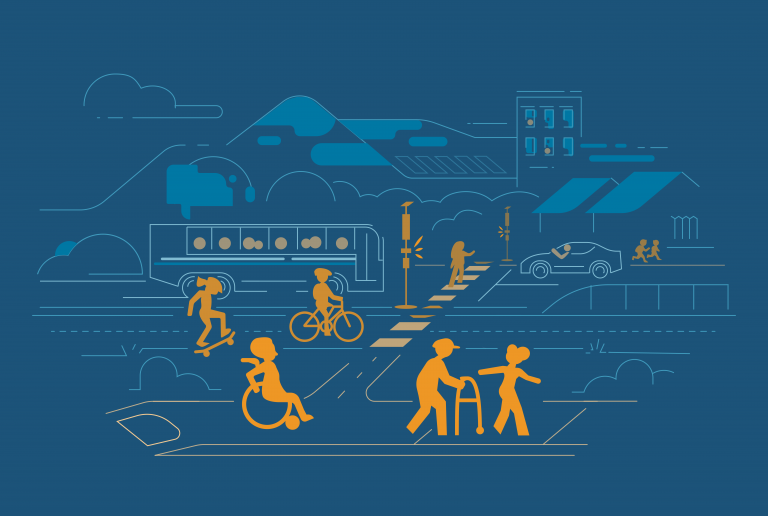
When we think about great streets, it’s not just about space for cars—it’s about how people move, gather, and connect with their communities. Streets are public spaces, and when thoughtfully designed they are safe, comfortable, and inclusive for everyone—whether you walk, bike, roll, are using public transit, or driving.
May is here, and with it National Bike Month, the perfect opportunity to embrace two wheels over four. Bike Month isn't just about cycling: it's about sustainability, health, community and reimagining our daily commutes.