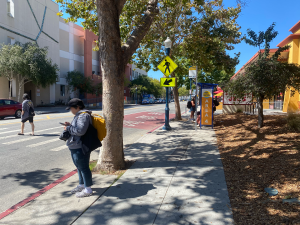
We explored how cities can unlock the full potential of public transportation in our earlier blog "Year of the Bus”. For riders and non-riders alike, the bus stop is often the ultimate dealbreaker.
Ask people why they don't use the bus and you'll often hear familiar answers: it takes too long, it's unreliable or it’s difficult to understand the network. But underneath many of these complaints sits a simpler problem: the bus isn’t frequent enough.
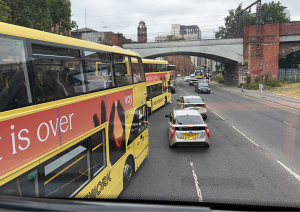
Step onto a busy street at rush hour and you will see the climate challenge in motion: long lines of cars, most carrying just one person, inching forward. Now imagine that same street with fewer cars and, instead, more buses moving steadily along, each carrying dozens of people.
Let’s make 2026 a breakout year for bus transit! With the right mix of service upgrades, stop-area improvements, and smart pricing and outreach, agencies can turn bus transit from a second-rate way to get around into a first-choice for many people who rarely or never ride today.
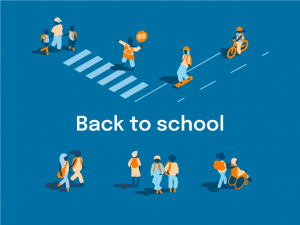
As the school year begins, the daily rhythms of our streets shift and become more active. What felt like a quiet intersection in July may now be packed with bikes, buses, and families on the move. It’s not chaos — it’s a system kicking back into gear. And how well it functions says a lot about how we’ve designed it, and how we prioritize safe and sustainable travel.
May is here, and with it National Bike Month, the perfect opportunity to embrace two wheels over four. Bike Month isn't just about cycling: it's about sustainability, health, community and reimagining our daily commutes.
California is reaching an exciting milestone with the release of its updated State Rail Plan, a forward-thinking blueprint designed to improve the State rail network for cleaner, faster, and more accessible travel. Implementing this plan will not only strengthen the backbone of California’s rail system but also reduce greenhouse gas (GHG) emissions, support economic growth, and offer better transit connections for commuters.
Public transport is more than a mode of travel; it’s a cornerstone for creating sustainable and inclusive communities. The United Nations' 17 Sustainable Development Goals (SDGs) are global objectives designed to address poverty, inequality, health, education, and climate change by 2030.
As Los Angeles prepares to host the 2028 Summer Olympics, City leaders are talking about a car-free (or transit-first) experience, drawing lessons from Paris, who just held the 2024 Olympics. Planned and executed carefully, these can be transformational events where a focus on inclusive transportation and environmental goals take center stage.
Imagine a week where we all choose transportation alternatives to driving our own cars solo: walking, biking, using public transit, or ride sharing. Sure, there may be some downsides - cars are oftentimes convenient - but think about the upsides. This shift in our behavior can significantly reduce traffic congestion, lower fossil fuel exhaust emissions, and improve our air quality. A Week Without Driving can also foster empathy and understanding for those can't take advantage of the benefits of a personal car.