

Year of the bus: Passing the Bus Stop Test
We explored how cities can unlock the full potential of public transportation in our earlier blog “Year of the Bus”. For riders and non-riders alike, the bus stop is often the ultimate dealbreaker. Standing by a fast, noisy road with no sidewalk, no shade, and poor lighting is a hard sell.
To evaluate whether infrastructure succeeds let’s use The Bus Stop Test. Would you feel safe and comfortable waiting at a stop for 15 minutes? More importantly, would you feel secure letting your teenager wait there alone? Passing this test requires four priority actions to transform bus stops from systemic weaknesses into neighborhood assets.
1. Fix the Walk to Transit
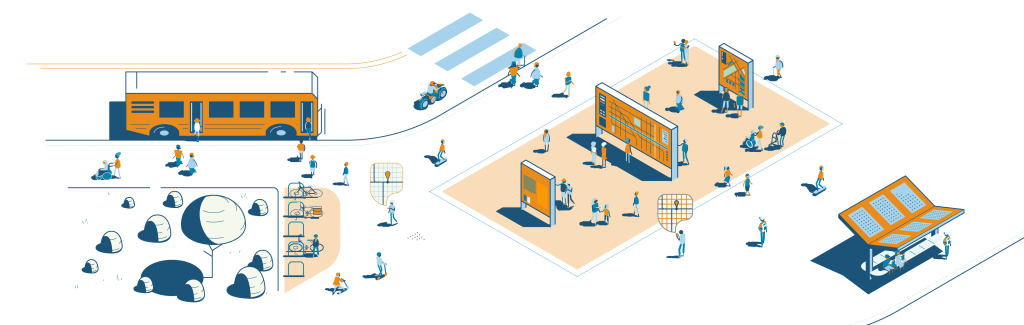
A bus stop is only as good as the infrastructure leading to it. To build a successful network, cities must close sidewalk gaps, calm traffic, add crosswalks, and make driveways safer. Street design dictates behavior. Data shows that people will walk farther to reach transit if the route feels safe, direct, and pleasant.
2. Provide Basic Dignity at Every Stop
Dignity should be the baseline of public infrastructure design. Installing level boarding pads, ADA-compliant connections, clear zones for mobility devices, and good drainage are foundational for older adults, disabled riders, and caregivers with strollers.
3. Add Comfort Where It Is Most Needed
True comfort requires a comprehensive set of physical amenities, prioritized at high-ridership and high-equity stops. Key features include:
- Shade: In hot climates, shade functions as a critical public health tool against extreme heat. In our previous blogs Keeping Cool: The Power of Urban Trees and An Urban Canopy isn’t Luxury you can read more about the importance of trees to cool down urban areas.
- Shelter from rain and weather: In wet or cold climates, protection from wind, rain and snow can be the difference between a potential rider choosing transit or driving.
- A place to sit: Well-maintained benches ensure waiting is accessible to elderly riders or anyone needing rest before or after a long day of work or school.
- A maintained trash can: Integrating waste receptacles directly influences the cleanliness and perceived quality of the space.
- A place to park and lock your bike: Secure bike racks encourage multi-modal trips, solving the first-mile and last-mile challenge.
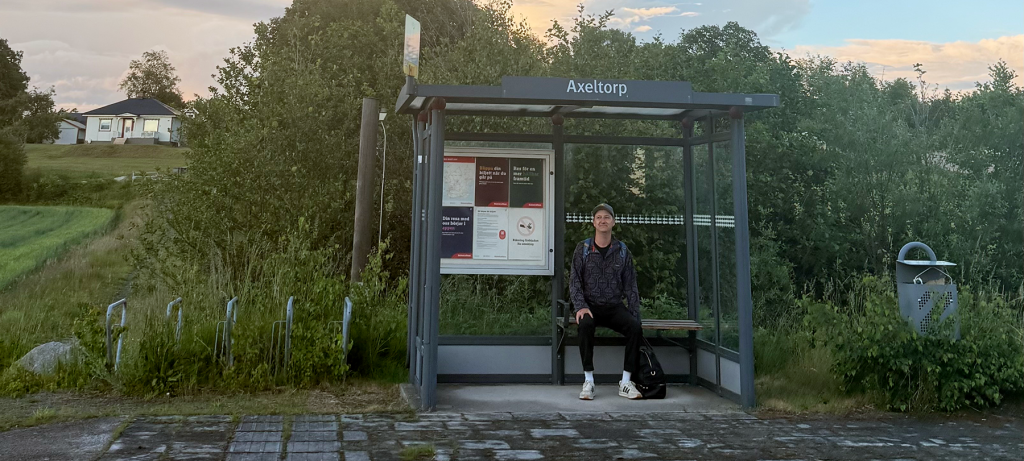
The impact of these features is backed by evidence. A study by the University of Utah analyzed stop-level improvements and confirmed that bus stops upgraded with shelters, benches, and sidewalk connections experienced a statistically significant increase in overall ridership, alongside a decline in nearby paratransit demand.
Bus Stop Test
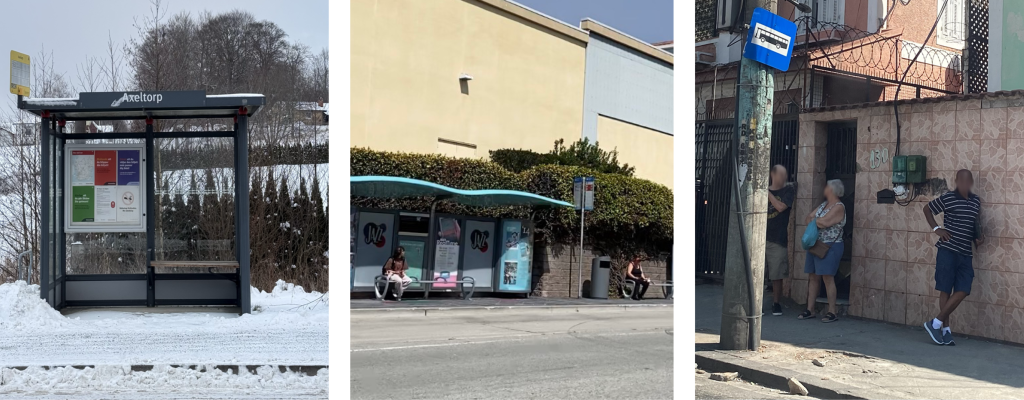
Photos by DCR: Sweden, USA, Brazil
Do these three bus stops pass the bus stop test?
4. Design for Safety and Visibility
Real and perceived safety dictates whether a transit system thrives. Good lighting at night, clear sight lines, and safe crossing points enhance safety for everyone.
Crucially, safe design expands who can use the system independently. Research (just for internal info I do think this research is very interesting, however a bit outdated) indicates that teenagers, as they have limited mobility until 16, would be a prime transit user but are underrepresented in ridership stats. When bus stops feature bright lighting, secure bike parking, and excellent visibility, parents feel more comfortable letting their teenagers take the bus independently. This helps youth build autonomy and develop lifelong transit habits. After all, today’s teenagers are tomorrow’s adults.
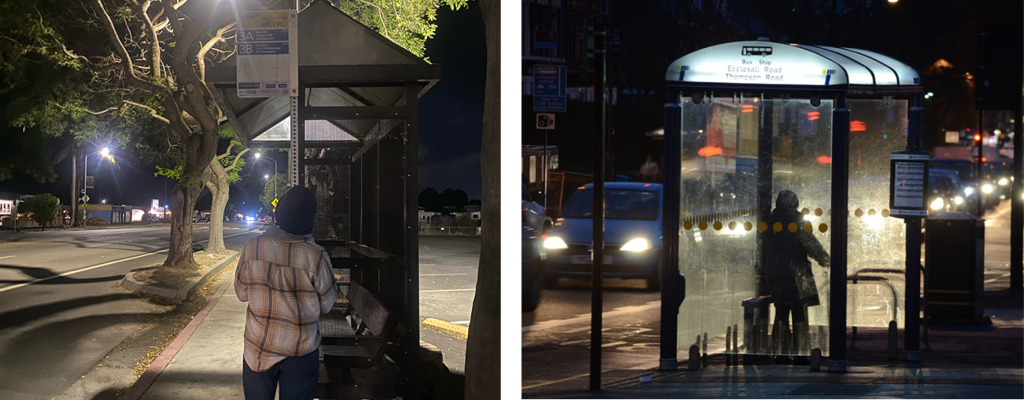
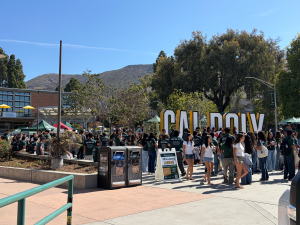
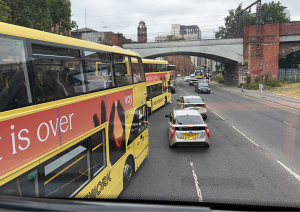
Photo left in Santa Cruz, California by DCR, photo right in Sheffield, England by Andrew Tryon (CC)
Building Streets for People
Improving bus stops is an urban design imperative. When we invest in amenities like shade, canopy, seating, weather protection, and lighting, we communicate that transit riders are valued members of the community.
At DCR Design, we combine intuitive mapping with inclusive design to help cities, agencies, and communities visualize and create safer streets. Let’s work to make every bus stop a place where anyone wouldn’t mind waiting – for at least a few minutes.
Want to work with us? Feeling inspired?
Contact us at info@dcrdesign.net or checkout our social medias: LinkedIn, X and Instagram