

Year of the bus
Let’s make 2026 a breakout year for bus transit! With the right mix of service upgrades, stop-area improvements, and smart pricing and outreach, agencies can turn bus transit from a second-rate way to get around into a first-choice for many people who rarely or never ride today.
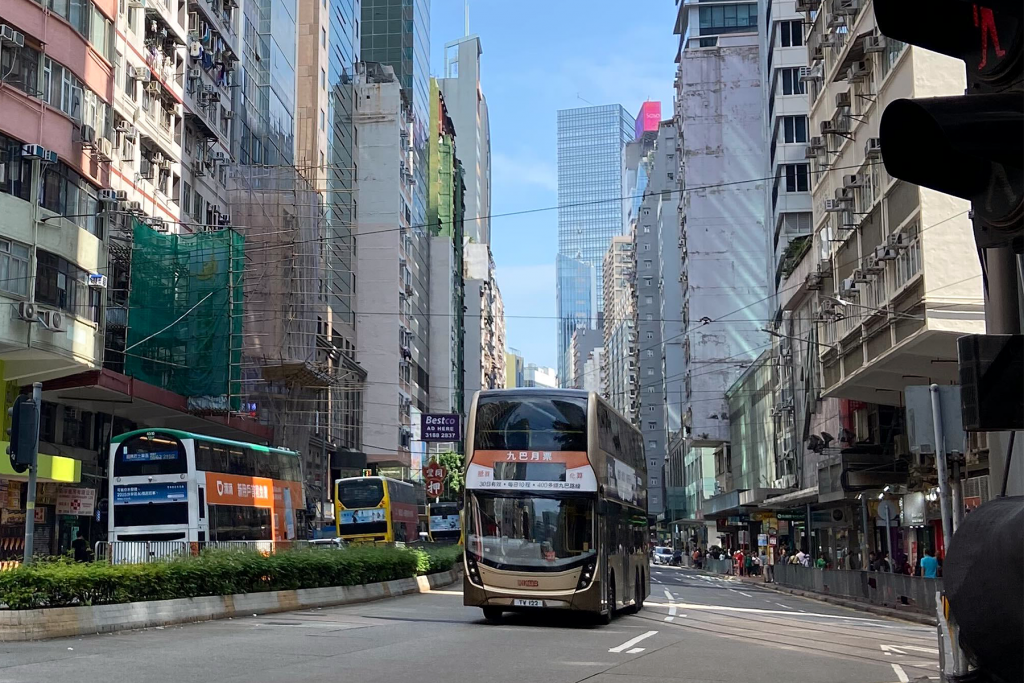
Make service frequent, simple, and reliable
People won’t leave their cars for a bus that is slow, infrequent, or confusing. The strongest evidence from recent redesigns and case studies points in the same direction: build easy-to-understand, all‑day frequent networks rather than thinly spreading service everywhere.
Key strategies:
- Create all‑day or 5am-to-midnight frequent corridors. Aim for headways of 10–15 minutes for as many hours of the day as budgets allow, including evenings and weekends. Riders are more confident when services are “get to the stop and go”, instead of needing to learn timetables mixed with the anxiety of waiting.
- Extend the timespan of service. Studies of timespan changes show that simply running earlier and later can boost ridership even in the unchanged hours, because people trust that the bus will be there when life happens, like late working shifts, overtime, social trips, or emergencies.
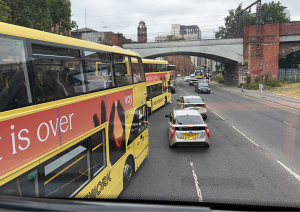
- Prioritize speed and reliability. Bus lanes, signal priority, all‑door boarding, and consolidated stops can make buses faster than driving in many congested corridors. When buses are clearly a faster and stress‑free way to move through traffic, new riders take notice.
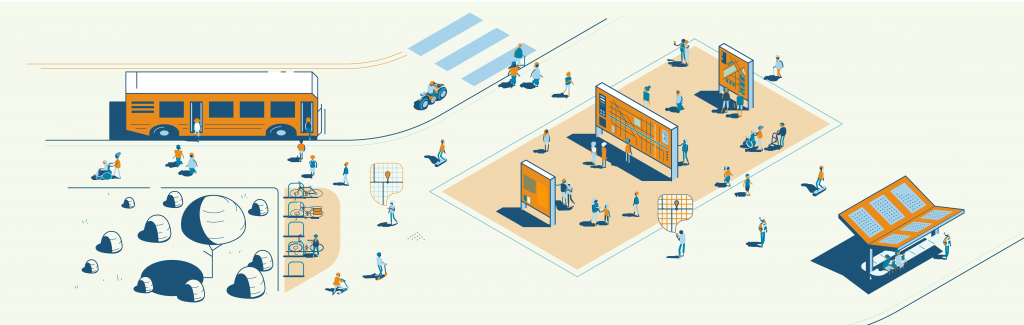
- Redesign around a network, not individual routes. Frequent grid or radial networks with flexible and connected mobility hubs, and timed transfers, dramatically expand the jobs, services and amenities accessible within 30–60 minutes, often with the same or fewer buses than legacy networks.
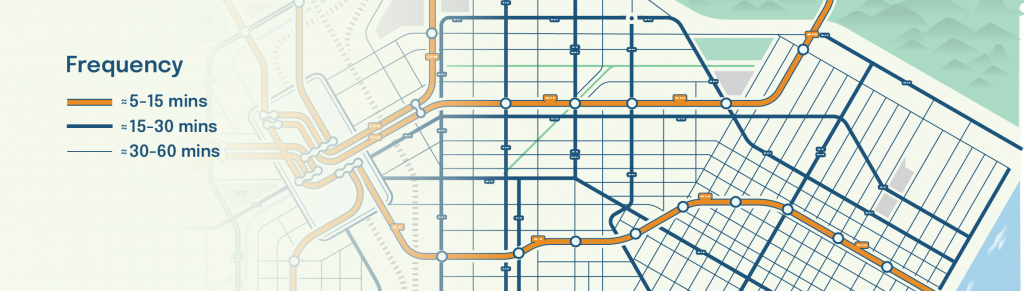
The main challenge is political. Re-allocating resources to build these strong frequent corridors can mean reducing duplication or low‑productivity segments elsewhere. Agencies that are transparent about goals such as access, equity, climate, and show clear before/after maps and metrics tend to build more durable support.
Transform bus stops and access into assets, not weaknesses
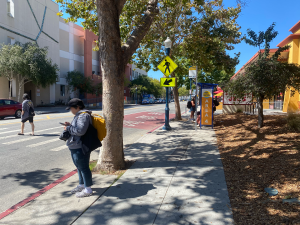
For transit riders and non‑riders alike, the bus stop can be the dealbreaker. Standing by a fast and noisy arterial road with no sidewalk, no shade, poor lighting, and no sense of safety is a hard sell, not to mention a health hazard. Upgrading local access and stop quality is one of the most powerful, underused strategies agencies have.
Priority actions:
- Fix the walk to transit. Close sidewalk gaps, calm traffic near stops, add crosswalks and pedestrian refuges nearby stops, and make driveways and slip lanes safer. People will walk farther if the route feels safe, direct, and pleasant.
- Provide basic dignity at every stop. Level boarding pads, ADA‑compliant connections, clear zones for mobility devices, and good drainage are foundational for older adults, disabled riders, and caregivers with strollers.
- Add comfort where it’s most needed. Shelters, benches, shade trees or canopies, and lighting should be prioritized at high‑ridership and high‑equity stops first. In hot climates, shade is a public health tool. In colder or wetter climates, wind and rain protection can be the difference between “no way” and “I’ll try it.”
- Design for safety and visibility. Good lighting, clear sight lines, logical crossing points, and avoiding stranded islands in high‑speed traffic enhance both real and perceived safety. That directly affects whether new riders feel comfortable trying the bus after dark or with kids.
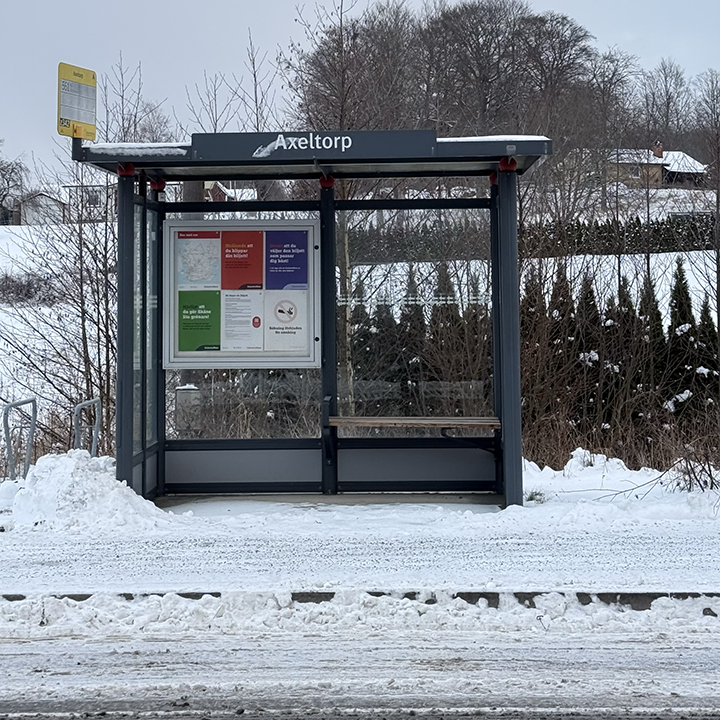
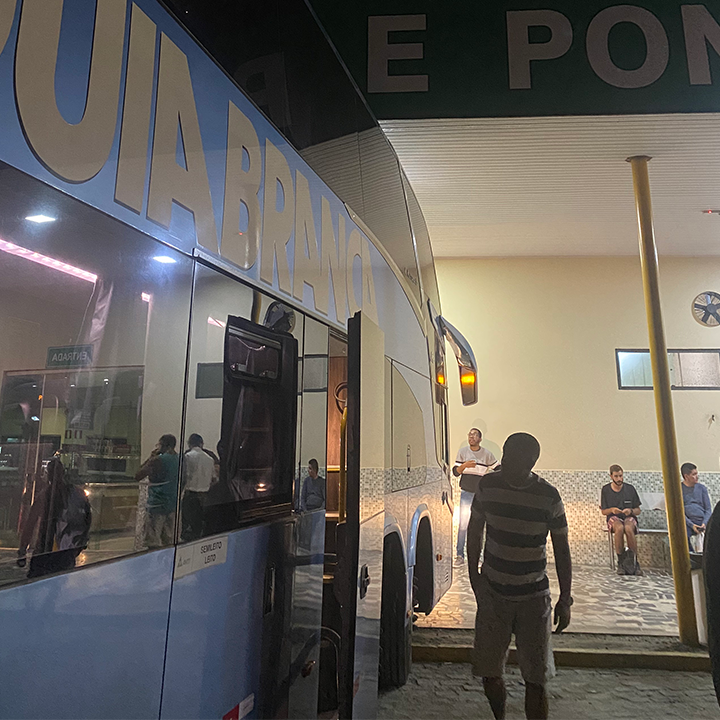
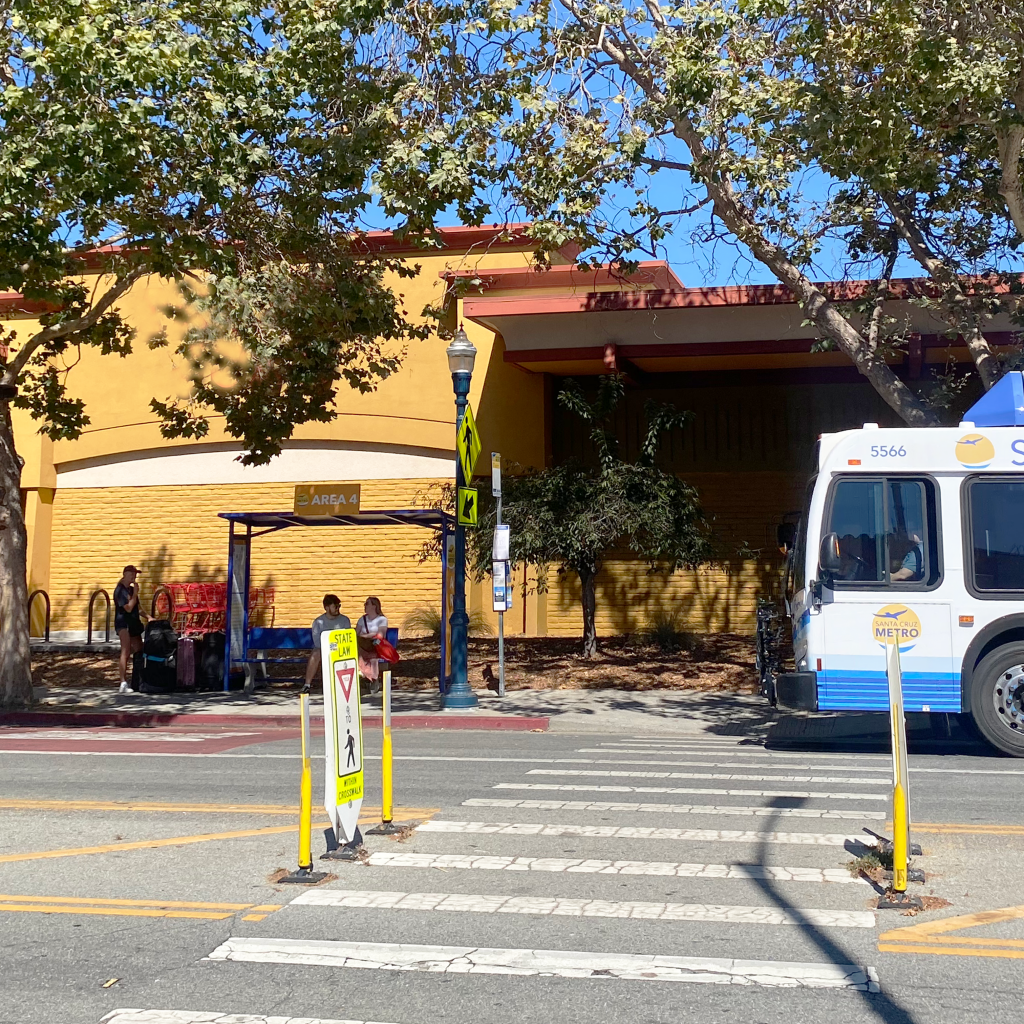
To get the best results implementing these transformations, agencies should collaborate with public works or state DOTs. Make 2026 the ideal time to formalize joint transit access packages that bundle stop and walking improvements into resurfacing, safety, or complete streets projects!
Use pilots and promotional fares to optimize big changes
Changing routes, frequencies, and fares can be politically risky, especially when trying to attract people who don’t yet see buses as a viable mobility option. Structured pilots and time‑limited fare initiatives are powerful ways to experiment, learn, and build momentum.
Smart approaches:
- Pilot high‑frequency corridors and sub‑networks. Select a few lines or districts where you can offer clearly better service, short headways, longer hours, and improved stops. Then commit to evaluating ridership, on‑time performance, and customer satisfaction over 6–12 months.
- Pair service upgrades with free or reduced fares for a defined period. One‑month or seasonal free‑fare windows, or deeply discounted introductory passes, can reveal latent demand and give new riders a low‑friction way to try the improved service.
- Make pilots explicit and data‑driven. Publicly communicate pilot goals and metrics. Anticipate ridership changes, new rider share, accessibility improvements for key neighborhoods & car‑trip substitution — then report back the results. That transparency helps defend successful projects and refine weaker ones.
- Be willing to iterate. Use rider feedback to adjust routing, stop placement, or schedules during the pilot. Riders are more forgiving of early kinks when they see an agency listening and responding in real time.
The challenge is to manage expectations. Agencies must avoid promising that every pilot will become permanent, while still signaling serious intent. Framing pilots as co‑created experiments with communities can balance those tensions.
Market bus transit like a product people actually want
For many non‑riders, their mental image of the bus is decades out of date. If agencies don’t tell a new story about frequency, comfort, safety, and cost savings, word may never spread beyond current riders.
Elements of an effective 2026 marketing push:
- Clear, benefit‑led messaging. Talk about “every 10 minutes,” “runs until midnight,” “you’ll never need to find or pay for parking,” “safer for teens,” and “cheaper than driving” – instead of just route numbers and timetables.
- Implement visible launch campaigns. Use on‑street or in-station ambassadors, pop‑ups at hubs, direct mail in key corridors, social media, and local influencers to walk people through how to use new or improved lines.
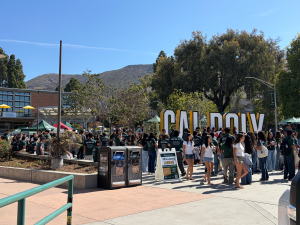
- Hyper‑local examples. Show real stories e.g. a worker who saves hundreds on car costs, students who can now stay late on campus, a senior who feels safe going out after dark thanks to better shelters and lighting.
- Tie buses to broader community goals. Emphasize how riding the bus supports cleaner air and climate sustainability, less congestion, safer streets, and more equitable access. Many people are willing to change behavior when they see a shared payoff.
The risk is doing big service upgrades with small, generic outreach. In 2026, agencies should budget for communication as a core part of this transformation, not an afterthought.
Center equity, health, and climate in every decision
For many low‑income residents, youth, and people with disabilities, buses are already essential. But service gaps, poor access, and safety concerns make trips unreliable and stressful. For many higher income or car‑oriented households, buses barely register as an option. The same investments should address both realities.
High‑impact priorities:
- Target frequent services and comfort upgrades in high‑need areas first. Where car ownership is low, commute times are long, and health burdens from pollution or heat are high. Better bus service and stops can deliver outsized benefits.
- Coordinate with land use and housing. Encourage new housing, jobs, and services along frequent lines, and protect existing residents from displacement so they can actually benefit from improved access.
- Invest in clean fleets where exposure is highest. Electrifying buses on dense corridors and near schools and medical centers improves local air quality, especially in communities currently over‑exposed to traffic emissions.
- Measure what matters. In addition to tracking boardings, detail who is gaining new access to jobs, education, and healthcare, and how many car trips are reduced.
The opportunity for 2026 is to position high‑quality bus networks as central infrastructure for a fair, healthy, low‑carbon city or region, not a second‑class mode of mobility.
If agencies lean into these strategies, frequent and reliable service, dignified and safe access to stops, bold but structured pilots, compelling marketing, and equity‑driven investment, buses can become a truly attractive option for many travelers who currently see them as irrelevant. That is where the biggest ridership growth, and the biggest social and environmental gains, will come from.

Want to work with us? Feeling inspired?
Contact us at info@dcrdesign.net or checkout our social medias: LinkedIn, X and Instagram