

Year of the bus: Frequency is Freedom
Ask people why they don’t use the bus and you’ll often hear familiar answers: it takes too long, it’s unreliable or it’s difficult to understand the network. But underneath many of these complaints sits a simpler problem: the bus isn’t frequent enough.
Frequency is one of the most powerful components of a successful public transport network, yet it’s often treated as a luxury rather than a fundamental design principle. If a bus only comes once an hour, missing it can completely derail a person’s schedule. But when buses arrive every 10–15 minutes throughout the day, the experience changes completely. Public transport stops being something that requires planning and starts becoming something people can simply use. That’s also when using buses becomes competitive with taking the car.
Nobody enjoys planning a bus journey
People don’t check a timetable before driving to the supermarket, meeting friends, or heading to work. They leave when they’re ready. For public transport to fully compete, it needs to offer a similar sense of freedom. Frequent transit services remove the mental effort, sometimes anxiety, that comes with planning every journey around a timetable. Instead of calculating departure times and worrying about missing a connection, passengers know they can walk to the stop and a bus will arrive shortly.
This seemingly small change has an enormous impact on how people perceive public transport. Waiting only a few minutes feels very different from waiting twenty or thirty. Missing one bus becomes a minor inconvenience instead of a major disruption.
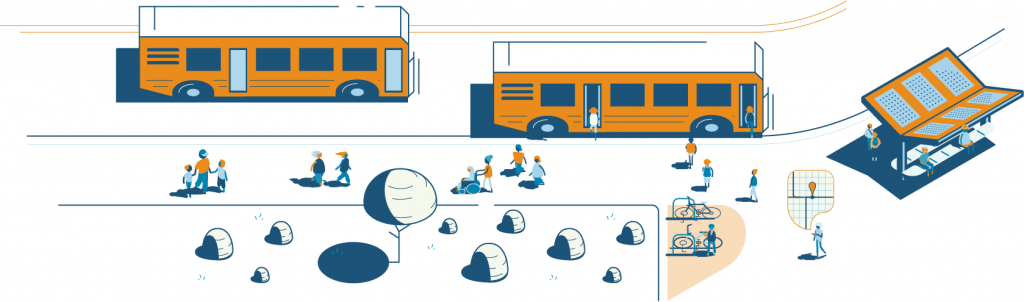
Frequency creates confidence
Higher frequency services cut down wait times and create a far more reliable experience. Frequency brings speed, predictability, and peace of mind. This, in turn, increases ridership and mode shift as the network provides the flexibility to make spontaneous choices, knowing that the bus is frequently available.
Can I stay a little later at work?
Can I meet friends after dinner without worrying about getting home?
If my appointment finishes late, will there still be a bus?
Networks that operate frequent services from early morning until late evening answer these questions without passengers needing to check an app. People begin to trust that the service will simply be there when they need it.
This confidence encourages more spontaneous trips, supports shift workers, makes evening activities more accessible, and gives people genuine independence without needing a car. This can in turn impact a significant mode shift to public transit, even among car owners. The other benefits of choosing transit, such as not getting stuck in traffic or needing to find and pay for parking, now make transit a convenient choice.
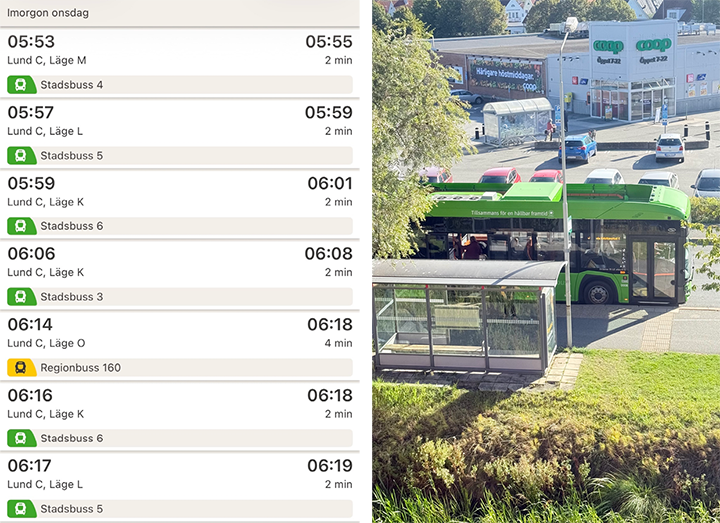
A frequent network is stronger than a collection of routes
When budgets are tight, there is often pressure to spread services as widely as possible. On paper this appears to maximise coverage. In practice it can leave every route operating infrequently, making the entire network less attractive.
Many successful bus network redesigns, such as in Houston and Seattle, have taken a different approach. Rather than trying to provide general services everywhere, they concentrate resources on a network of high-frequency corridors connected through simple, reliable transfers. The result is a more focused network that reaches more opportunities within a reasonable travel time, despite using the same fleet or even fewer buses. Frequent connections multiply the usefulness of every route because passengers spend less time waiting and more time moving.
This can be seen as a tradeoff, offering less or no service in some areas while offering frequent services in others, but it can both build reliable ridership along frequent corridors and provide a case for adding additional frequent services.
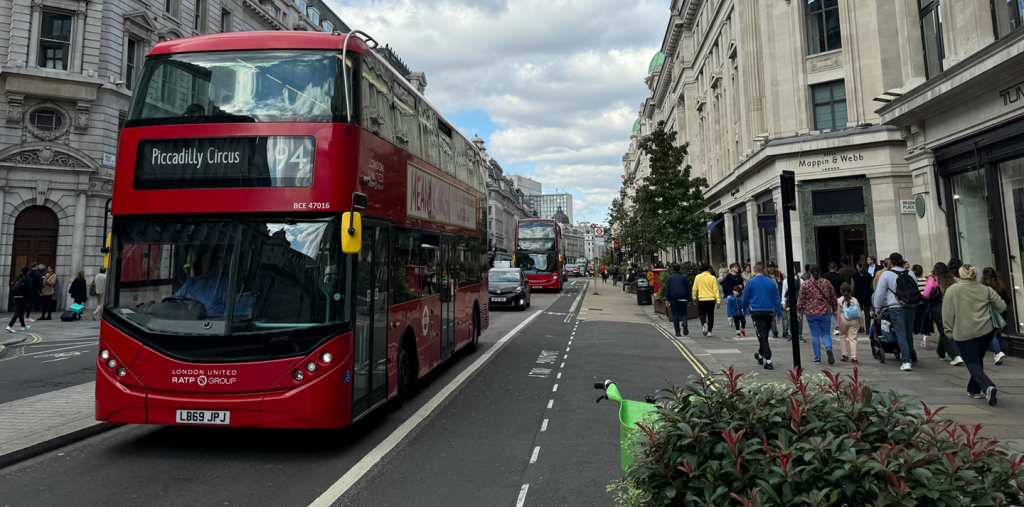
Frequency alongside reliability
A bus every ten minutes isn’t particularly useful if congested roads mean those ten minutes become twenty. That’s why frequency and reliability should always be designed together. Dedicated bus lanes, traffic signal priority, all-door boarding, and carefully spaced stops all help buses maintain consistent journey times. In busy urban corridors, these measures can make buses faster than driving while removing the stress of congestion and parking. Reliable frequency creates a virtuous cycle. More passengers justify better service, which attracts even more passengers.
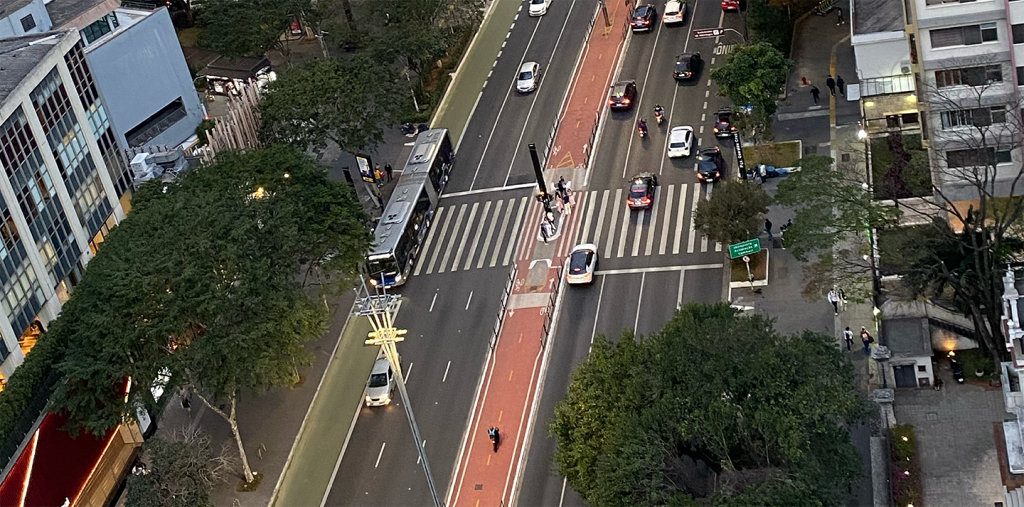
The best bus service is the one you don’t notice
The highest compliment for a public transport system is that people stop talking about it. They don’t discuss departure times because they no longer need to memorise them. It just runs “all the time”. They don’t worry about missing a bus because another one is only a few minutes away. They simply leave home, walk to the stop, and travel. That’s what high frequency transit delivers.

Want to work with us? Feeling inspired?
Contact us at info@dcrdesign.net or checkout our social medias: LinkedIn, X and Instagram