

Back to School, in Need of Better Streets
The return of the school year brings more than new classrooms, schedules, and routines. It also changes the way communities move. After a quieter summer, streets around schools become active again. School buses run their routes, cyclists and pedestrians share neighborhood roads, parents navigate drop-off and pickup, and public transit enjoys an increase in demand. For communities, this annual shift is a reminder of how critical safe, accessible, and sustainable transportation is.
The start of the school year is also a useful opportunity to take a closer look at the journeys students and staff make every day and whether our transportation networks are designed to support them.
A new school year means new travel habits
Every student has a different way of getting to school. Some walk from nearby neighborhoods, others ride a bike, take the bus, or rely on a family car. For many, the start of the school year can also mean learning an entirely new route.
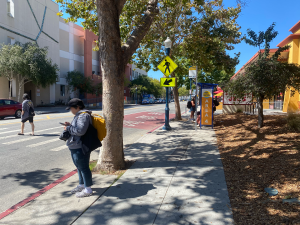
Drivers need to become familiar with school zones and increased pedestrian activity. Transit providers must accommodate changing travel patterns and shifting demand. Meanwhile, people walking and cycling need routes that are comfortable, predictable, and safe. When these different modes come together in a dense area, even minor issues with a poorly designed intersection, crossing, bus stop, or bike path can become much more noticeable and hazardous.
What can back-to-school traffic teach us?
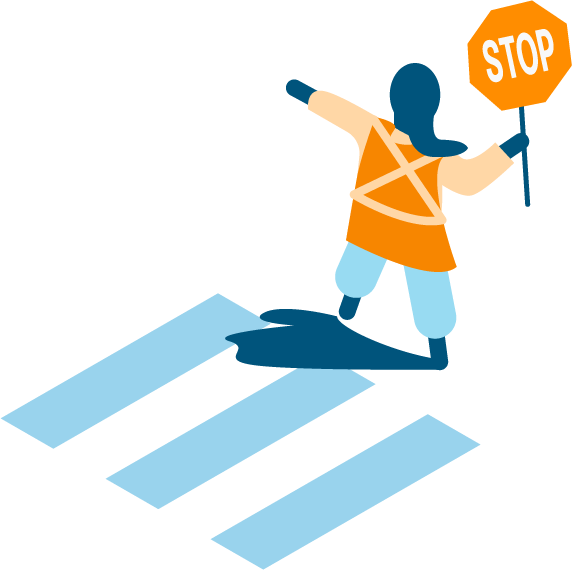
The increase in activity around schools can reveal where transportation infrastructure is working and where and how it could work better. A difficult crossing may become obvious when dozens of students have problems using it each morning. A missing bike path connection can discourage families from choosing to cycle. A poorly located bus stop can create unnecessary challenges for students and other potential transit riders. These observations are valuable. Rather than viewing the back-to-school rush simply as a seasonal inconvenience, communities can use it as an opportunity to better understand how their streets function in real-time – and how they can be improved.
Programs such as Safe Routes to School demonstrate how communities can make walking and cycling a more realistic option for students. Local initiatives, including efforts such as San Luis Obispo Regional Rideshare, can also help connect people with more sustainable ways to travel.
Technology can play a role, too. Community reporting tools such as Street Story allow residents to share information about collisions, near-misses, and transportation concerns. Combining that local perspective and real-time observation with transportation and collision data can help decision-makers identify where improvements may have the greatest impact.
Designing transportation around people
Creating safer school journeys doesn’t necessarily mean reinventing an entire transportation network. Sometimes targeted improvements can make a meaningful difference:
- a clearer crossing.
- better signage.
- improved lighting.
- a protected bike connection.
- a more accessible transit stop.
Each change can make it easier for people to choose walking, cycling, or public transportation while also making the street safer for everyone.

A chance to build better habits
The beginning of a school year is a seasonal reset. Starting a new routine by choosing the bus instead of the car, walking when possible, or cycling to school can help reduce congestion while building sustainable transportation habits that can last well beyond the first day of school. And for communities, paying attention to how students and families navigate their streets can provide valuable insight into what needs to be improved.
Let’s use the opportunity of a new school year to improve how our streets support safe and comfortable walking, biking, public transit, and driving in our communities and particularly around our schools. Safely, sustainably, and for everyone.
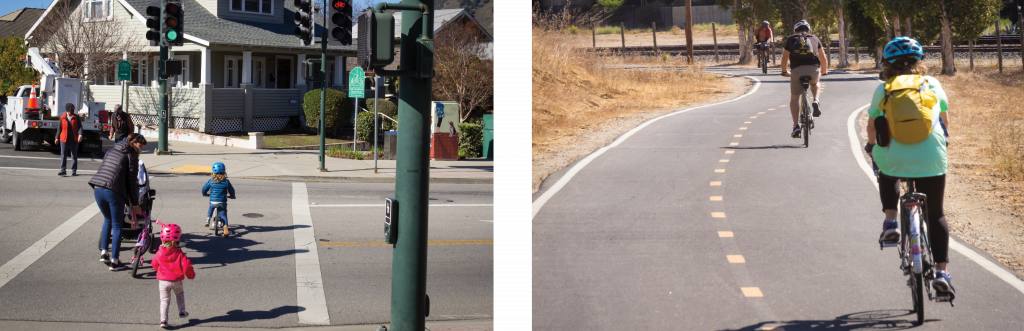
Here’s to a new school year and better journeys along the way!
Want to work with us? Feeling inspired?
Contact us at info@dcrdesign.net or checkout our social medias: LinkedIn, X and Instagram