


Why Vehicle “Size Creep” Matters for Bike Month
As we celebrate Bike Month, it is important to look at how the changing size of American vehicles affects road safety. Over the last decade, SUVs and trucks have become significantly taller, wider, and heavier. For cyclists, this “size creep” creates new risks that standard infrastructure wasn’t designed to handle.
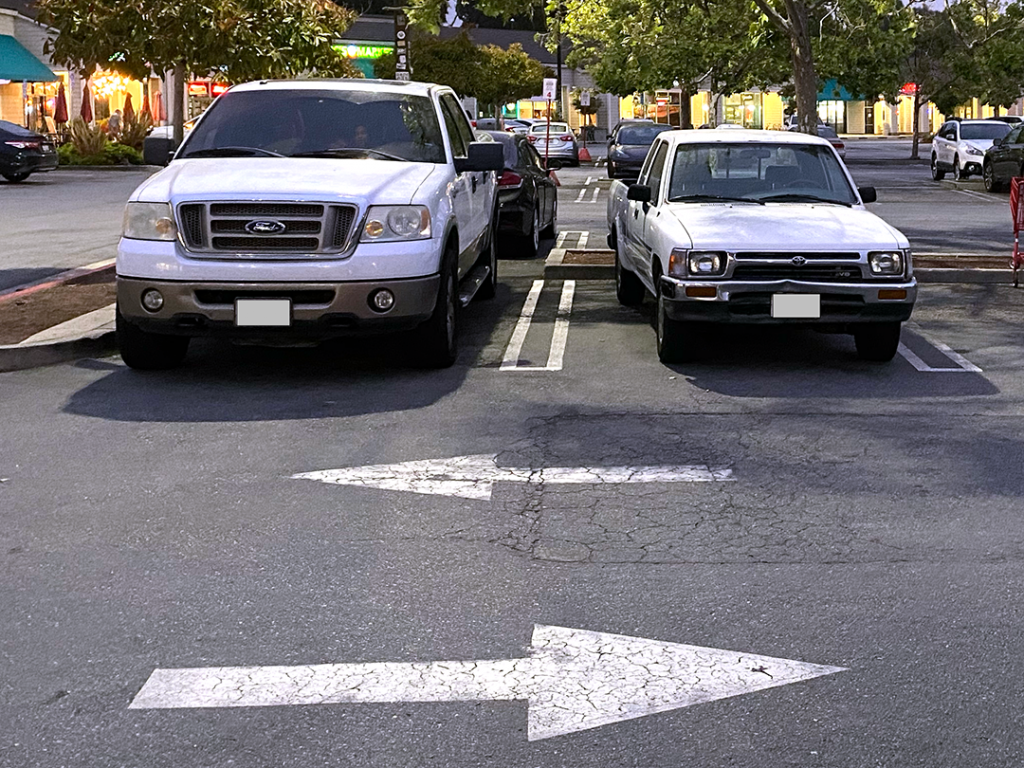
Comparison of:
new Toyota truck (left)
vs old Toyota truck (right)
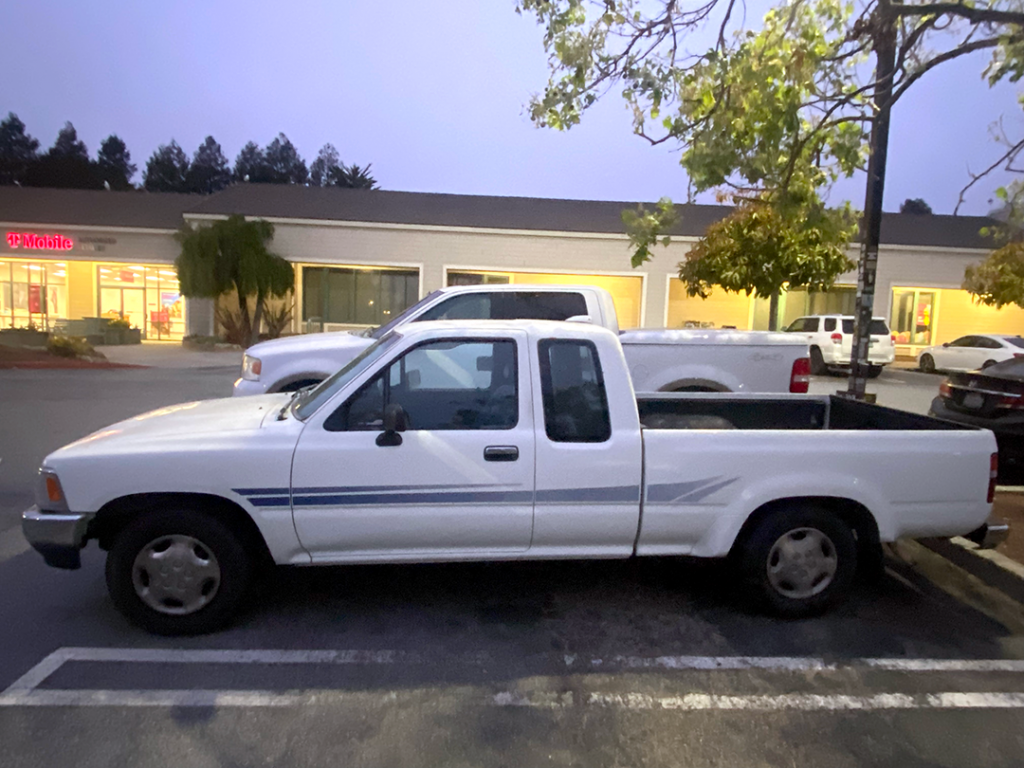
The new Toyota truck is much bulkier but its truck bed is actually shorter than the older model.
The Loss of Buffer Space
One of the primary issues for cyclists is the physical width of modern vehicles. Most urban lanes were designed for smaller cars. Research from Transport & Environment shows that new cars are widening by an average of 1 cm every two years. As SUVs and light trucks get wider, they take up more of the travel lane. Since city streets have a fixed width, this expansion directly reduces the “margin of error” for motorists and cyclists.
Wider vehicles encroach on bike lanes, shoulder space and other vehicles. This forces cyclists closer to parked cars, increasing the risk of being “doored”, or into the flow of traffic. Safe cycling requires, at the very least, dedicated road space. But while fully separated bike lanes are the gold standard for safety, the basic right-of-way is dangerously being consumed by big, heavy vehicles.
Visibility and Height
The height of modern SUVs has created a hazardous visibility gap. High front-end car designs result in “frontover” blind spots. Because the hood of a large SUV can be five feet high, a driver may be physically unable to see a cyclist directly in front of their bumper or at a low angle during a turn.
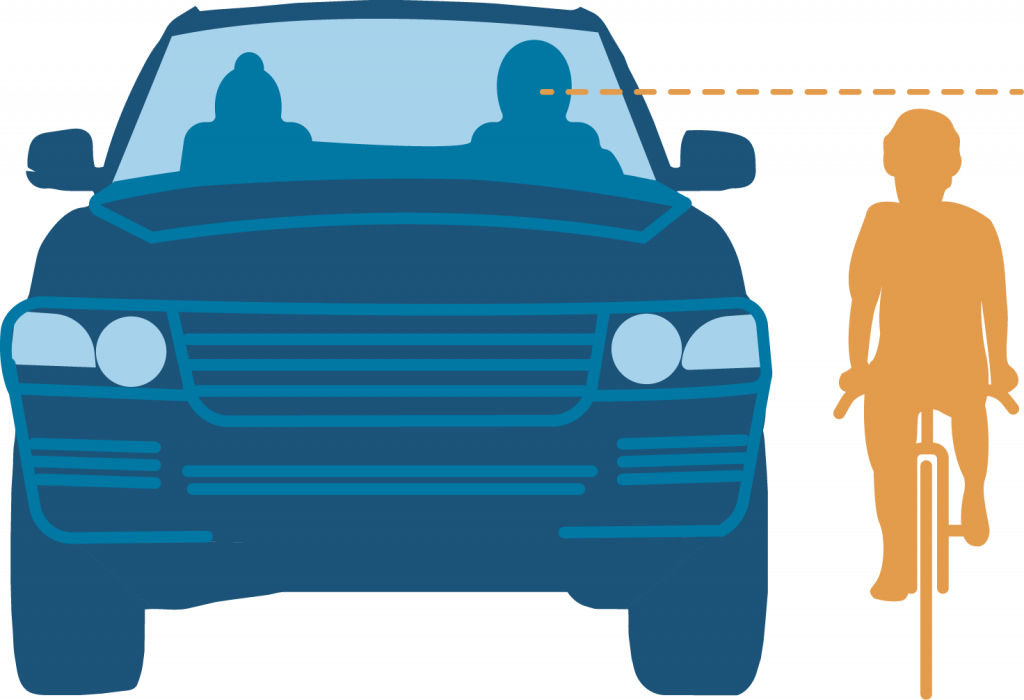
This lack of visibility is especially dangerous at intersections and crosswalks. While safety technology has improved, it cannot replace the basic need for a driver to have a clear, unobstructed line of sight to everyone on the road.
The Infrastructure Trade-off
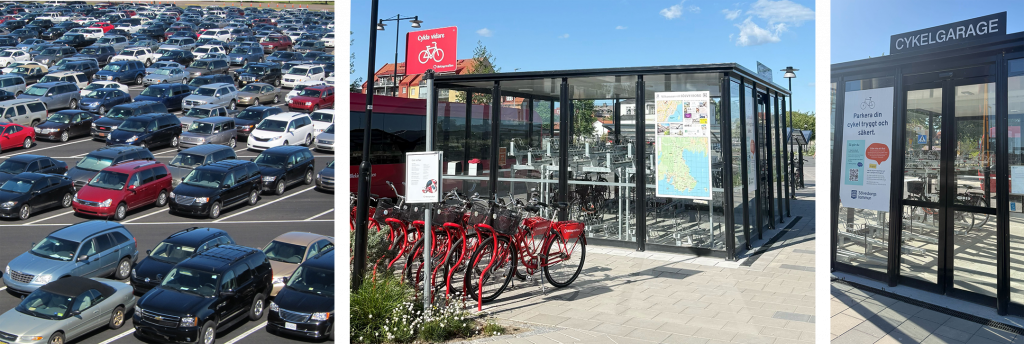
Larger vehicles also place a heavy demand on city infrastructure. To accommodate bigger cars, parking spots are being widened, which means less actual parking spaces in parking garages. In contrast, storing bicycles takes up very little space, even when stored in bike lockers.
Moving Toward Safer Streets
Creating accessible and desirable infrastructure can yield significant collective benefits. Even if you never ride a bike, having fewer cars in traffic and cleaner air makes a real difference. Most importantly, it creates a neighborhood where kids can play and seniors can get around safely.
However, encouraging more people to bike requires a streetscape where they feel protected. To move forward, urban planning and vehicle regulations need to account for the reality of mixed traffic and create opportunities where people feel safe biking. By prioritizing walkable and bikeable pathways, we can reduce traffic congestion and improve local air quality. Ultimately, these initiatives create safer streets for children and contribute to better long-term health outcomes for our most vulnerable populations, from our youth to our elders.
Solutions for safe streets include:
- Protected Infrastructure:
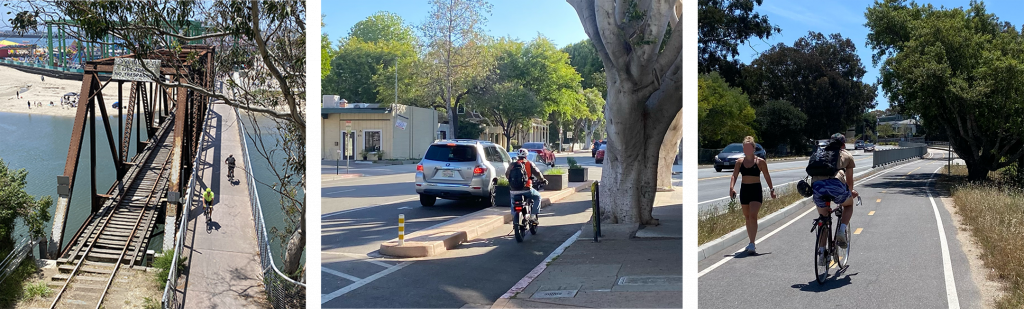
- Using physical barriers to separate bike lanes from oversized vehicles.
- Where street parking is necessary, create bike lanes next to the walk paths.
- Visibility Standards:
- Updating safety regulations to ensure vehicle designs don’t obstruct a driver’s view of smaller road users.
- Cyclists and pedestrians should wear bright, reflective clothing and use lights.
Implementing protected and connected bike and pedestrian infrastructure, as well as vehicle visibility standards, would encourage more people to use active transportation, improve traffic safety for all road users and reduce traffic congestion. At the same time, we might also be able to breathe cleaner air.
This Bike Month, let’s focus on advocating for safer streets for all modes of transportation, and prioritizing modes and traffic solutions that are good for our health, and the environment. By rethinking our priorities, we can create safer, more sustainable systems for everyone.

Want to work with us? Feeling inspired?
Contact us at info@dcrdesign.net or checkout our social medias: LinkedIn, X and Instagram