


Hit the Brakes: How Cities Around the World Are Slowing Down and Saving Lives
In cities around the globe, a quiet revolution is reshaping how we think about speed. It’s not about enforcing limits through tickets and signs. It’s about designing streets, transportation systems, and expectations that make slower, safer movement the default. The results speak for themselves: fewer crashes, fewer fatalities, and more livable, walkable neighborhoods.
Traffic safety isn’t just about compliance — it’s about culture, design, and the will to prioritize human life over vehicle speed. Around the world, cities are proving that this vision is not only possible, it’s already happening.

1) Paris: From Streets for Cars to Streets for People
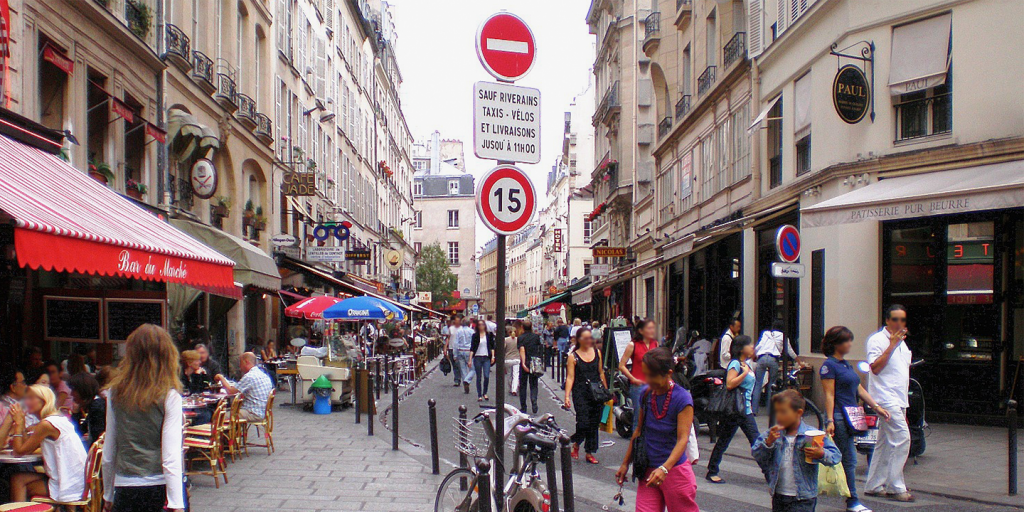
Paris has become a global case study in reclaiming city space. Over the past few years, the city has systematically removed cars from key areas, expanded its bike lane network, and turned once-congested roads into pedestrian-first corridors. Major changes include:
- Car-free zones in central districts like the Marais and along the Seine.
- The “15-minute city” concept, which reduces the need to drive by putting essential services within walking distance.
- A rapid expansion of bike lanes, especially during the pandemic (over 1,000 kilometers of lanes, many now permanent).
These changes have helped reduce automobile speeds by up to 60%, while shifting more residents to walking, biking, and transit (source). Paris shows that reducing car use and speed isn’t about punishment — it’s about giving people better options.
2) Helsinki: Vision Zero, Achieved
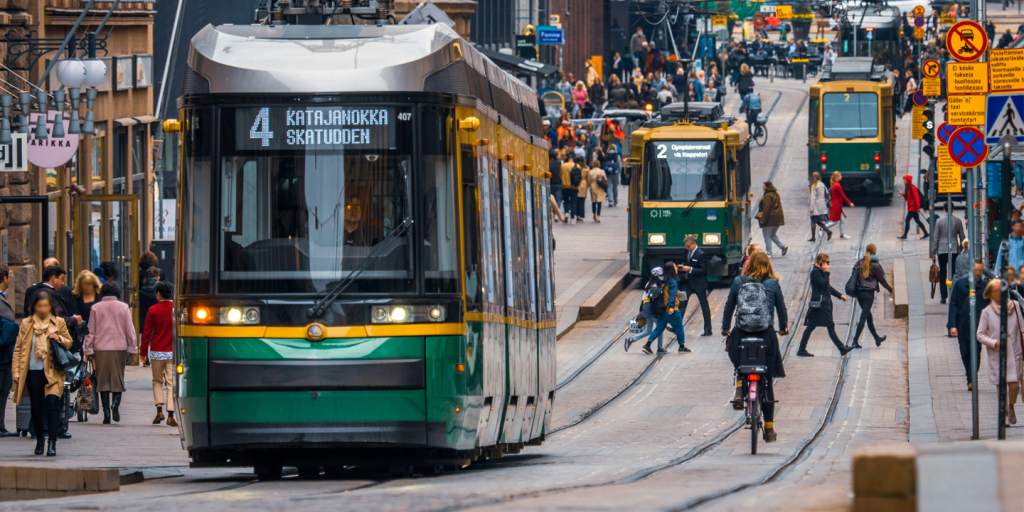
https://unsplash.com/photos/green-and-yellow-city-tram-I9SWvZ9sO2U
In 2024–2025, Helsinki, Finland reached a milestone that few cities can claim: an entire 12-month period without a single traffic fatality, despite serving a metropolitan area of 1.5 million residents (source).
This didn’t happen by accident. It’s the result of:
- A default 30 km/h (19 mph) speed limit in residential and pedestrian-heavy zones.
- Narrowed streets and redesigned intersections that naturally slow vehicles.
- Strategic installation of speed cameras and expansion of safe cycling infrastructure—even through the snowy months.
Traffic injuries have also dropped to historic lows — just 277 injuries in the last recorded year – compared to nearly 1,000 annually in the late ’80s.
3) Toronto: Slower Speeds, Safer Streets
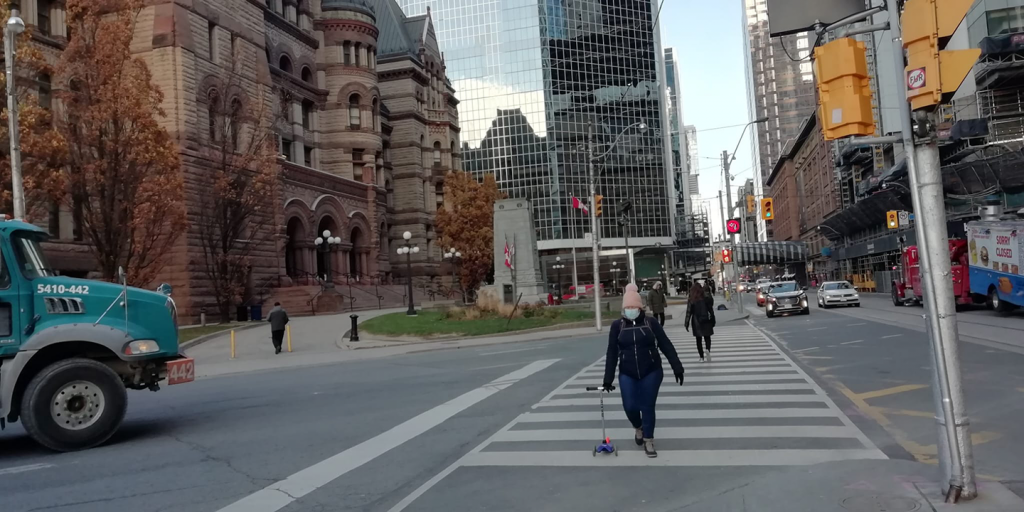
Canada’s largest city has taken meaningful steps to reduce traffic violence through a Vision Zero strategy that prioritizes street redesign:
- Lower speed limits across major arterial and residential roads.
- Automated speed enforcement (ASE) cameras installed near schools and high-risk zones.
- Widespread adoption of traffic calming measures like curb bump-outs, narrower lanes, and speed humps.
These changes are already producing results. Collision rates have dropped in areas where speeds were reduced and infrastructure was modified (source).
4) London: The 20 Is Plenty Movement
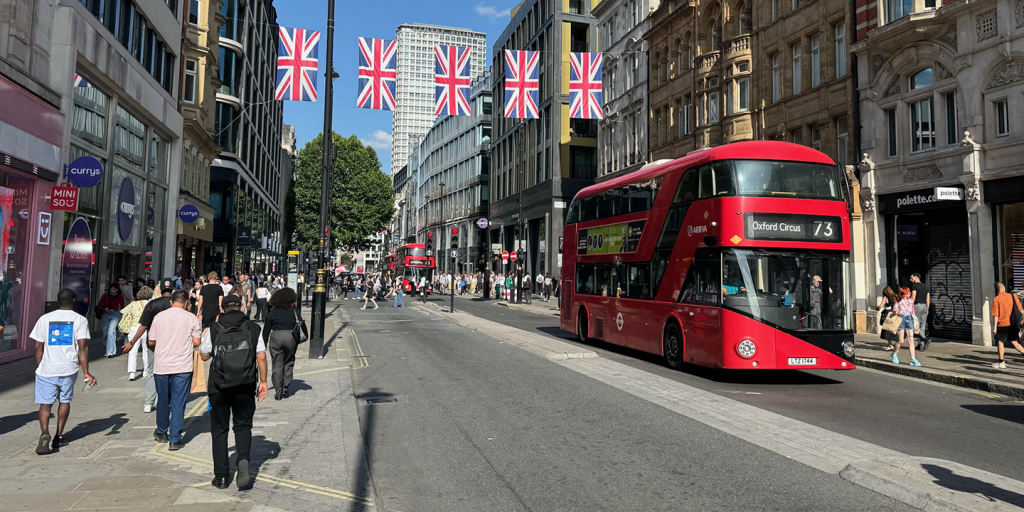
London has led the way in the UK with widespread adoption of 20 mph (32 km/h) zones, especially in residential and school-adjacent areas. Combined with:
- Protected bike lanes,
- Congestion charging in central London, and
- Transit prioritization, promoting smooth flowing bus traffic over cars.
This speed-reduction strategy has helped cut injury crashes significantly. A 2023 review by Transport for London found up to 25% fewer injury collisions in areas that adopted 20 mph limits.
5) Barcelona: Superblocks and Street Reclamation
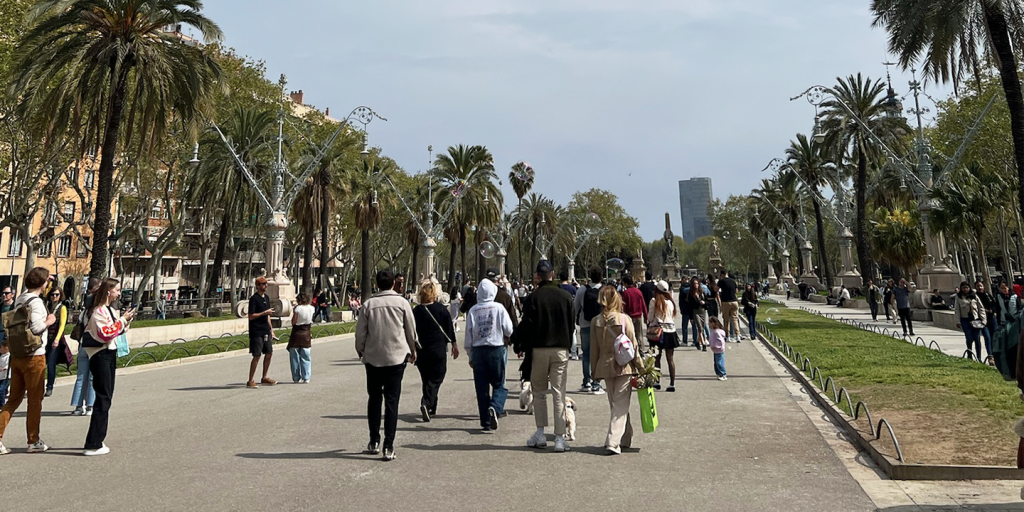
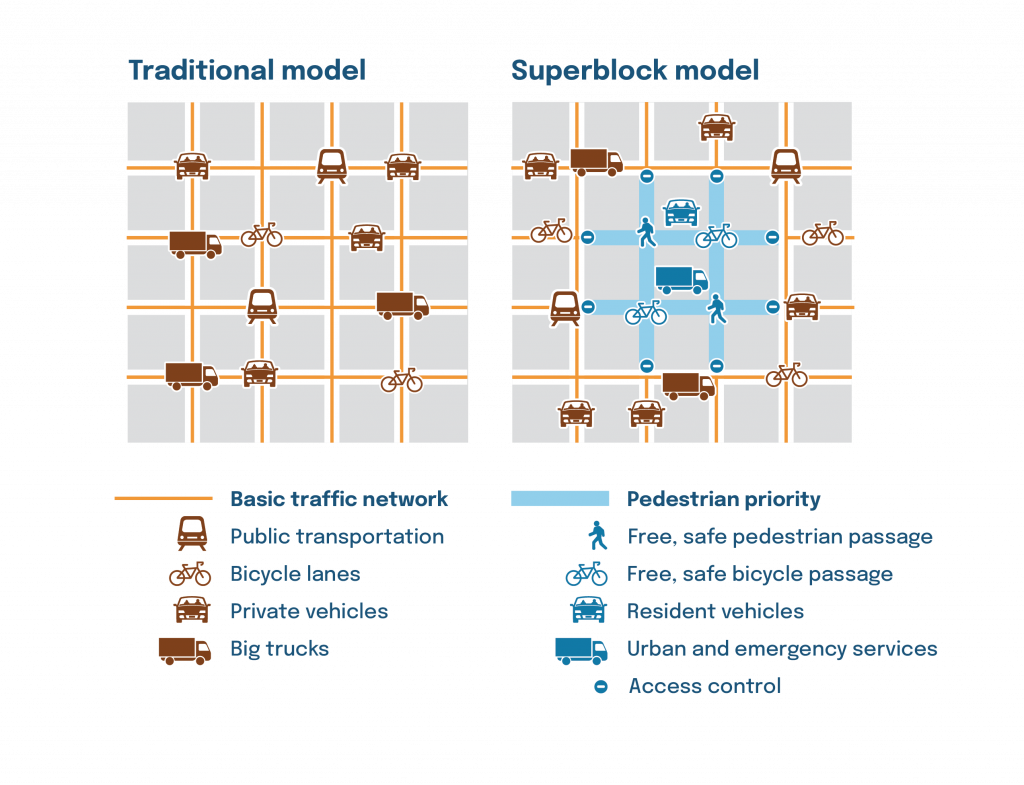
Barcelona’s Superblock model has proven to prioritize people over vehicles. Within each Superblock:
- Through-traffic is prohibited, and cars are limited to 10 km/h (6 mph).
- Streets are transformed into plazas, playgrounds, and gathering places.
- Pollution and noise drop dramatically, while foot traffic and local business thrive.
Barcelona plans to roll out hundreds more Superblocks by 2030. The model is already reducing crash rates and improving public health (source).
A Global Pattern Is Emerging
Across the world, the most forward-thinking cities aren’t just hoping for change, they’re designing it. Whether it’s through infrastructure, regulation, or culture, the path is clear:
- Lower car speeds save lives.
- Road design changes are more effective than enforcement alone.
- When people feel safe walking or biking, they do it more often.
Multi-city research from Europe confirms that cities with higher walking and cycling rates (and lower default speeds) report fewer fatal or serious injuries per capita (source).
Let’s draw inspiration from these examples as we work with communities to build safer, smarter, and more inclusive transportation systems. Slower streets aren’t just safer, they’re better for everyone.

Want to work with us? Feeling inspired?
Contact us at info@dcrdesign.net or checkout our social medias: LinkedIn, X and Instagram